Working together on raw material recovery in the lightning sector
·
Reading time: 1
min
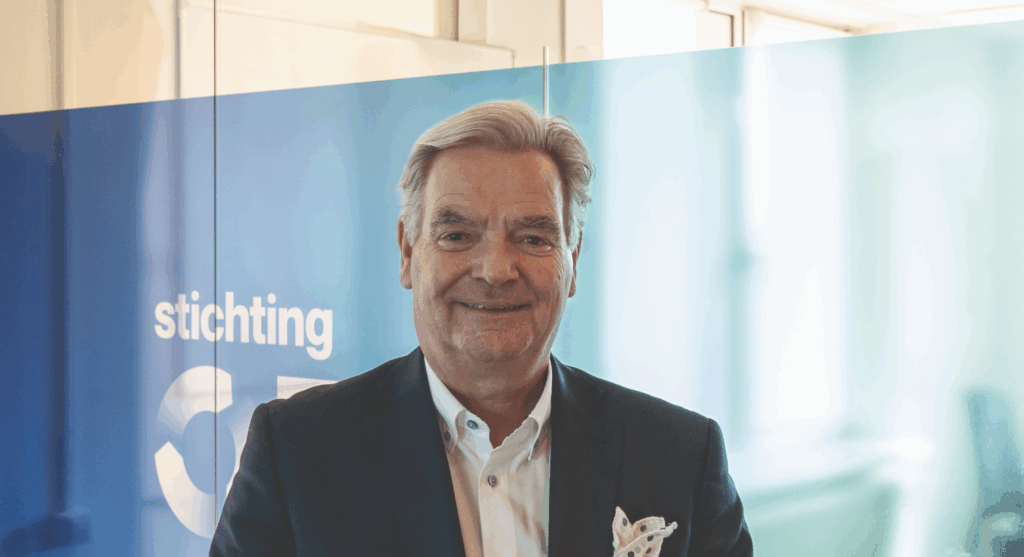
Gied van Hoorn
Gied van Hoorn is Managing Director of LightRec, the organisation representing producers and importers of lamps and luminaires. In this role, he represents the sector on the board of Stichting OPEN. LightRec acts as the link between individual producers and importers and the collective system, bringing signals and developments from the sector into policy and decision-making.
Collection as the foundation for raw materials preservation
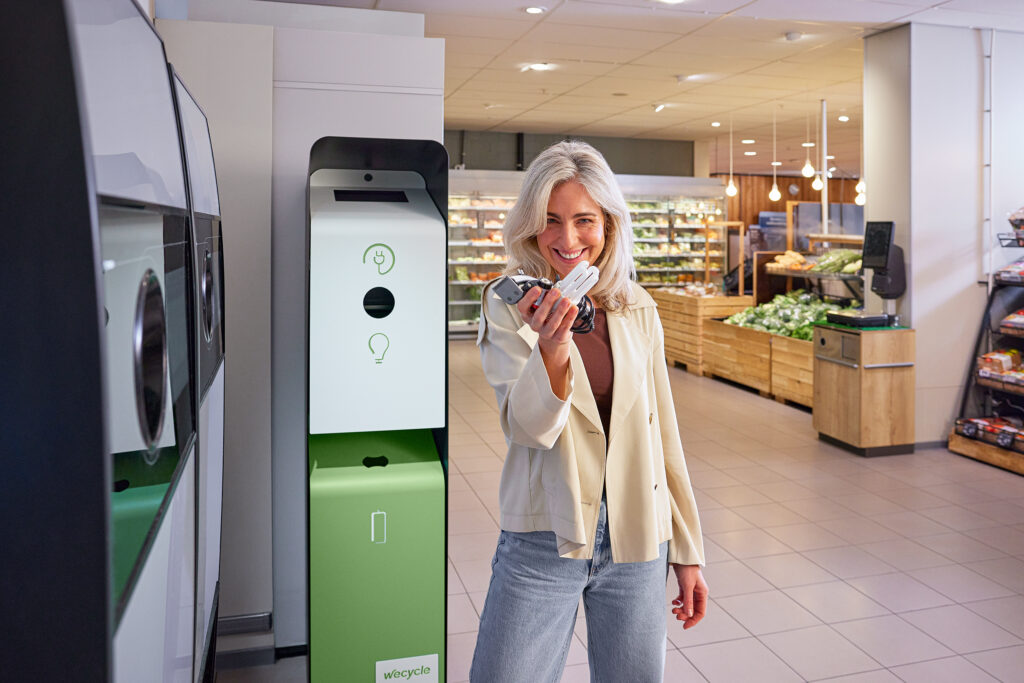
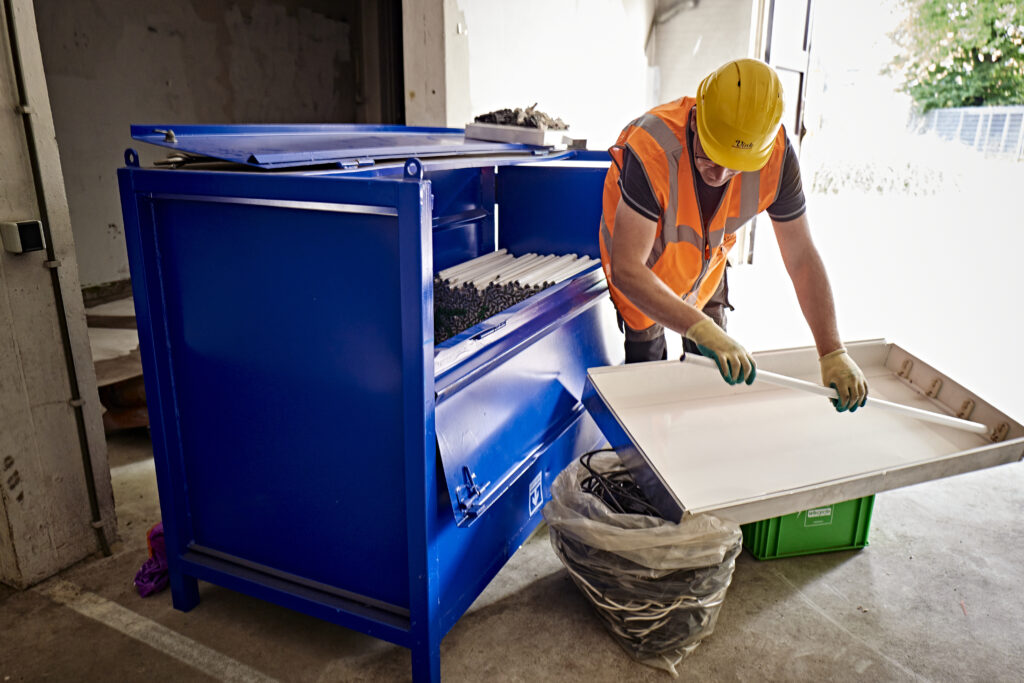
For the lighting sector, circularity starts with effective collection of discarded lamps and luminaires. Luminaires in particular contain valuable materials such as copper and aluminium that can be reused in new products.
“There is still a significant gap between the materials we could theoretically recover and what is actually recovered today. Especially luminaires contain a great deal of potential. If we collect them more separately and effectively, we can recover valuable materials and return them to the chain.”
Stronger together in the chain
According to Gied van Hoorn, cooperation within Stichting OPEN is essential to unlock that potential. By collectively organising producers and importers, scale and efficiency can be created within the collection and processing chain.
“Fragmentation helps no one. By working together, we can better utilise collection potential and organise the system more efficiently. This also strengthens the position of producers and importers within the chain.”
Increasing attention for critical raw materials
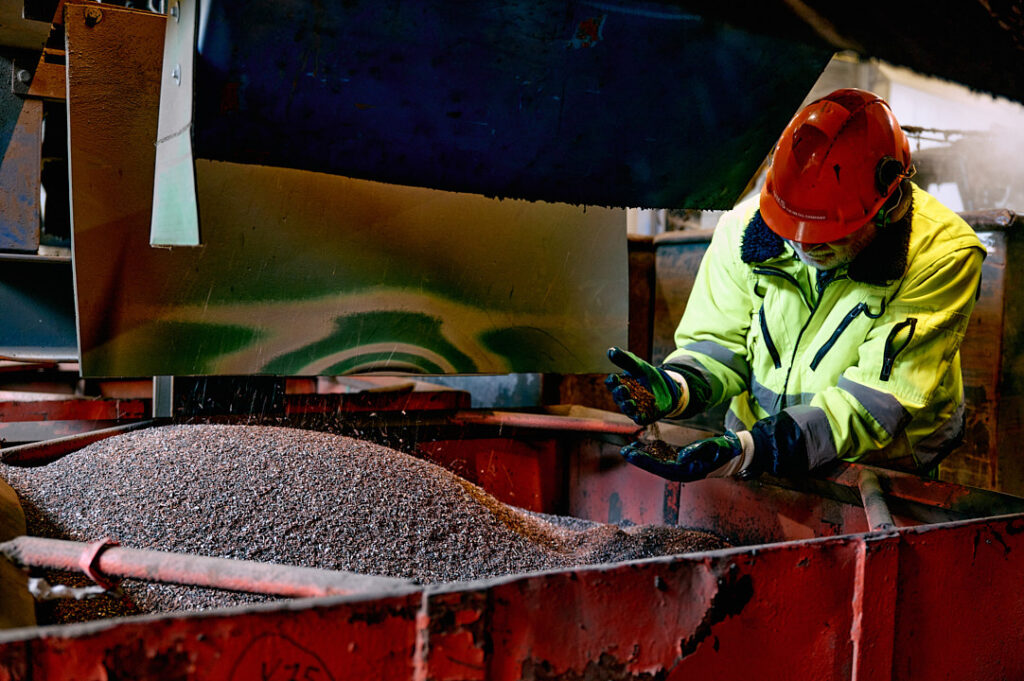
Alongside collection, attention for raw material preservation is growing. Luminaires contain important materials such as copper and aluminium, while LED products, lamps and luminaires also contain critical raw materials. At the same time, recycling is becoming more complex due to the increasing technological complexity of products.
“LED products are often difficult to dismantle because of glue and complex product compositions. That makes material recovery more challenging. At the same time, we see clear opportunities in luminaires to recover metals such as copper and aluminium.”
According to the sector, this requires more insight into material flows and targeted projects aimed at raw material recovery.
European cooperation is essential
The lighting sector also sees a clear role for European cooperation. By sharing knowledge and collaborating on research and innovation, processing methods can be improved and economies of scale can be achieved.
“In some areas, the Netherlands still operates too independently. By connecting more strongly to European initiatives, we can learn faster and invest more effectively in recycling and raw material recovery.”
Greater involvement from producers
The attitude of producers has changed in recent years. Whereas recycling used to be seen mainly as an obligation, awareness is growing that preserving raw materials is also economically and strategically important.
“Producers are increasingly thinking about what happens to their products after disposal. Not only because of legislation, but also because awareness of the importance of raw material preservation is increasing.”
For 2026, the sector therefore sees a clear priority: creating even more direct involvement of producers and importers in the collection and recycling chain.
“Good communication with producers is essential. Only then can we continue taking further steps towards a circular lighting chain together.”
Join the sector
LightRec brings together producers and importers of lighting products to improve the collection and recycling of discarded lamps and luminaires. Through the organisation, the sector is represented within Stichting OPEN, enabling producers to contribute to policy, implementation and sector initiatives.
Are you a producer or importer of lighting products? Contact LightRec and actively contribute to a circular lighting chain.