Technology industry: steering on raw materials, design and an efficient system
·
Reading time: 1
min
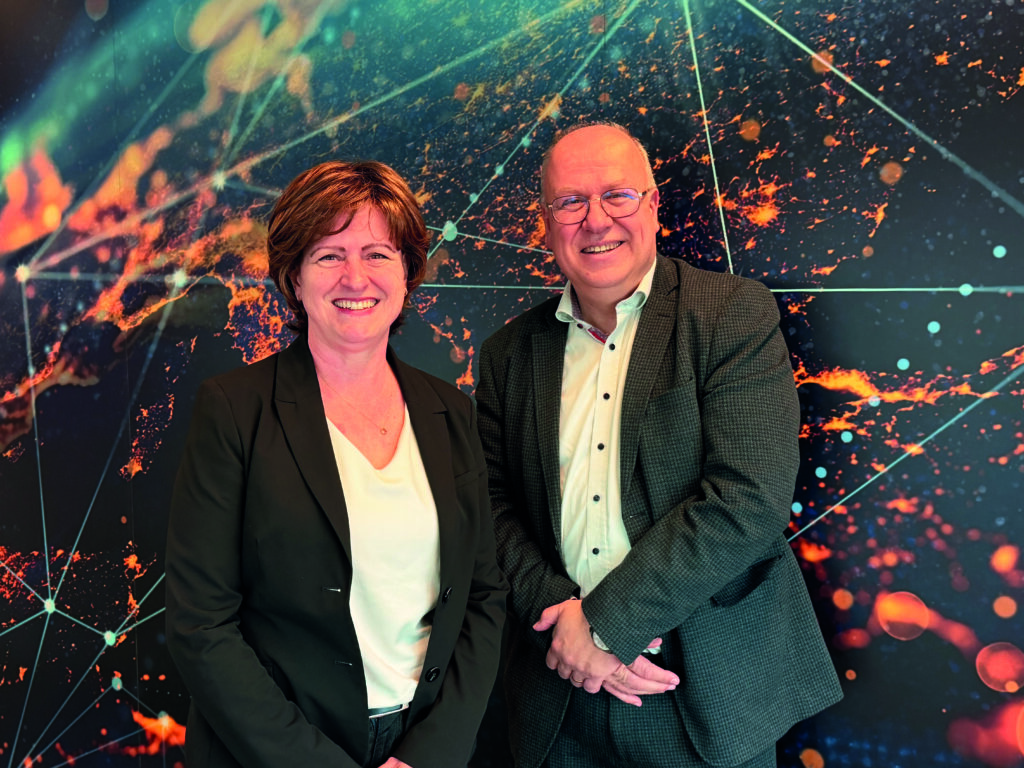
Vera Ortmanns en Robert van Beek
Robert van Beek, Climate, Energy and Environment advocate at FME and board member of Stichting OPEN, represents the technology industry. Vera Ortmanns is director of Stichting Metalektro Recycling (SMR) and represents a broad group of producers within Stichting OPEN. Together, they work on a system that not only collects discarded appliances, but also focuses on raw materials, product design and efficiency throughout the chain.
Continuity and a solid foundation
For the sector, 2025 was marked by continuity and the further development of the system. With the extension of the Generally Binding Declaration (AVV) for electrical appliances, the foundation has been strengthened to continue producer responsibility in the coming years.
Ortmanns: “With the extension of the AVV, we have secured the continuity of the system. At the same time, significant investments are being made through the 2025–2030 Action Plan. As a result, the system has not become cheaper, but demonstrably more is being done and we are taking important steps towards achieving the collection targets.”
At the same time, discussions continued around the feasibility of the collection targets.
Van Beek: “The AVV and the discussion on the practical feasibility of the recycling targets in relation to legal requirements are closely linked. Our constructive discussions with the Human Environment and Transport Inspectorate and the Ministry of Infrastructure and Water Management really shaped the past year. It directly affects how we develop the system and what Stichting OPEN can and cannot take responsibility for under such an AVV.”
Raw materials and scale: organising it together
The sector sees a clear increase in the use of critical raw materials. Due to electrification and digitalisation of society, both the dependency on these materials and the number of devices are increasing.
At the same time, this requires an efficient organisation of the chain. Van Beek: “If you organise all of this individually, it becomes more expensive and less efficient. By working together, you benefit from scale and quality.”
Design determines the back end of the chain
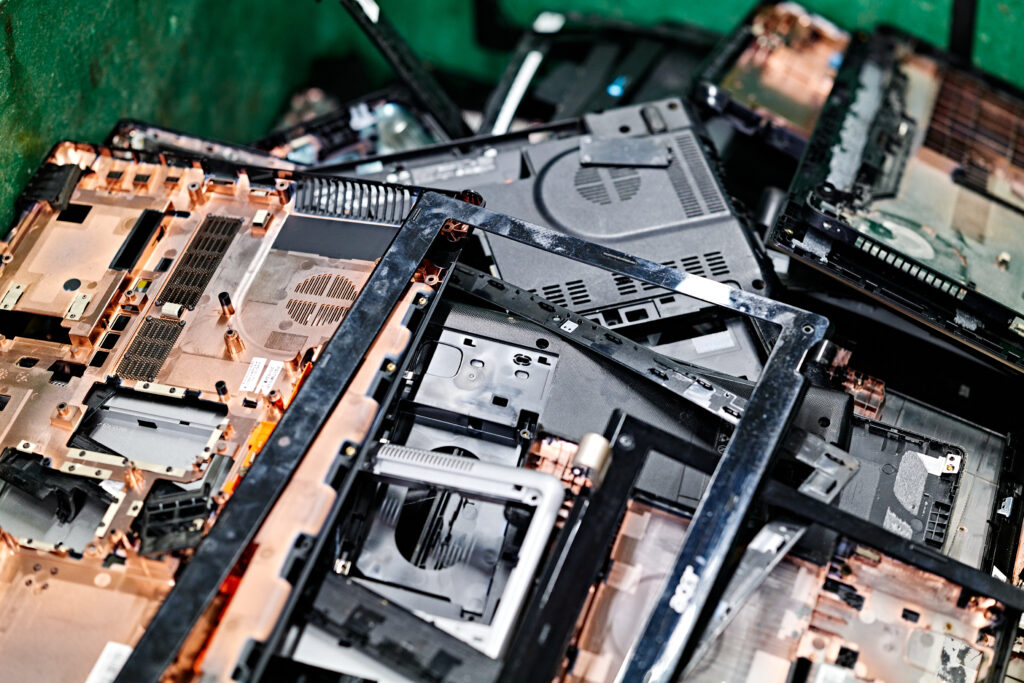
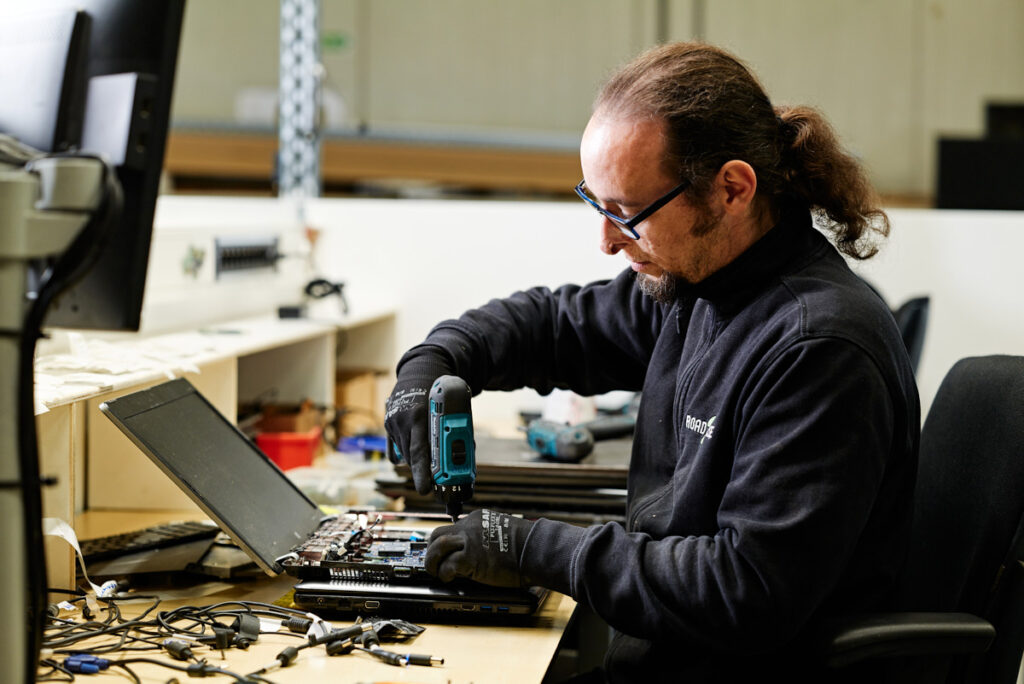
The sector sees products becoming more complex, making processing more challenging. Design choices directly affect the costs and possibilities in the end-of-life phase.
Van Beek: “We need to ask ourselves whether everything that is technically possible is also desirable to produce. Products are becoming increasingly complex and harder to dismantle, for example because of adhesives. That may seem efficient at the front end, but at the end of the chain it leads to higher costs and makes raw material recovery more difficult.”
At the same time, awareness is growing that improvement is needed.
Ortmanns: “Companies are increasingly considering what happens at the end of a product’s life already during the design phase. That shift is clearly underway.”
Better insight into collection and leakage streams
An important challenge lies in gaining better insight into leakage streams that currently remain outside the system, particularly streams containing valuable materials.
Van Beek: “Especially valuable streams disappear from sight because there is money to be made from them. You want to get those streams better integrated into the system.”
This requires proper registration, clear rules and enforcement.
Ortmanns: “Rules only work if they are actually complied with. There is still an important challenge there.”
Collaboration in knowledge and innovation
The sector emphasises the importance of collaboration in developing knowledge around raw materials. Recently, the Dutch government decided to structurally increase the budget for the Netherlands Materials Observatory (NMO).
Van Beek: “Without proper insight into the availability and risks of raw materials, you cannot make good decisions. It is precisely through collaboration between industry, government and knowledge institutions that we can make progress.”
Looking ahead