Solar panel sector prepares for future recycling challenge
·
Reading time: 1
min
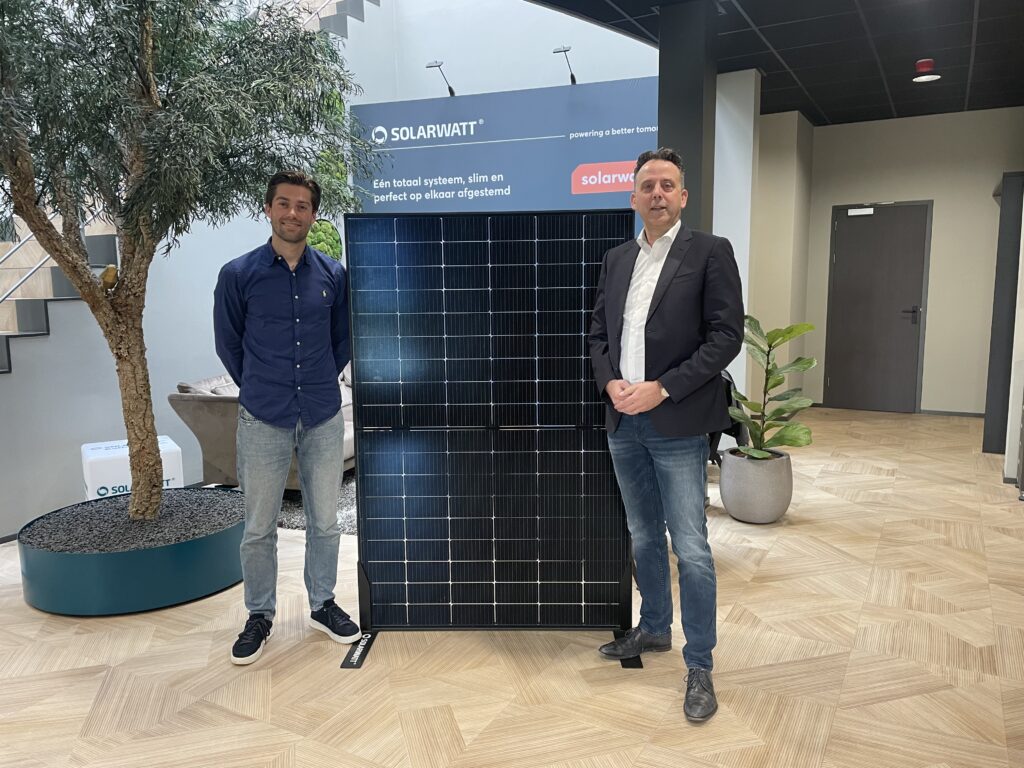
Jens Weerdenburg en Michiel van Schalkwijk
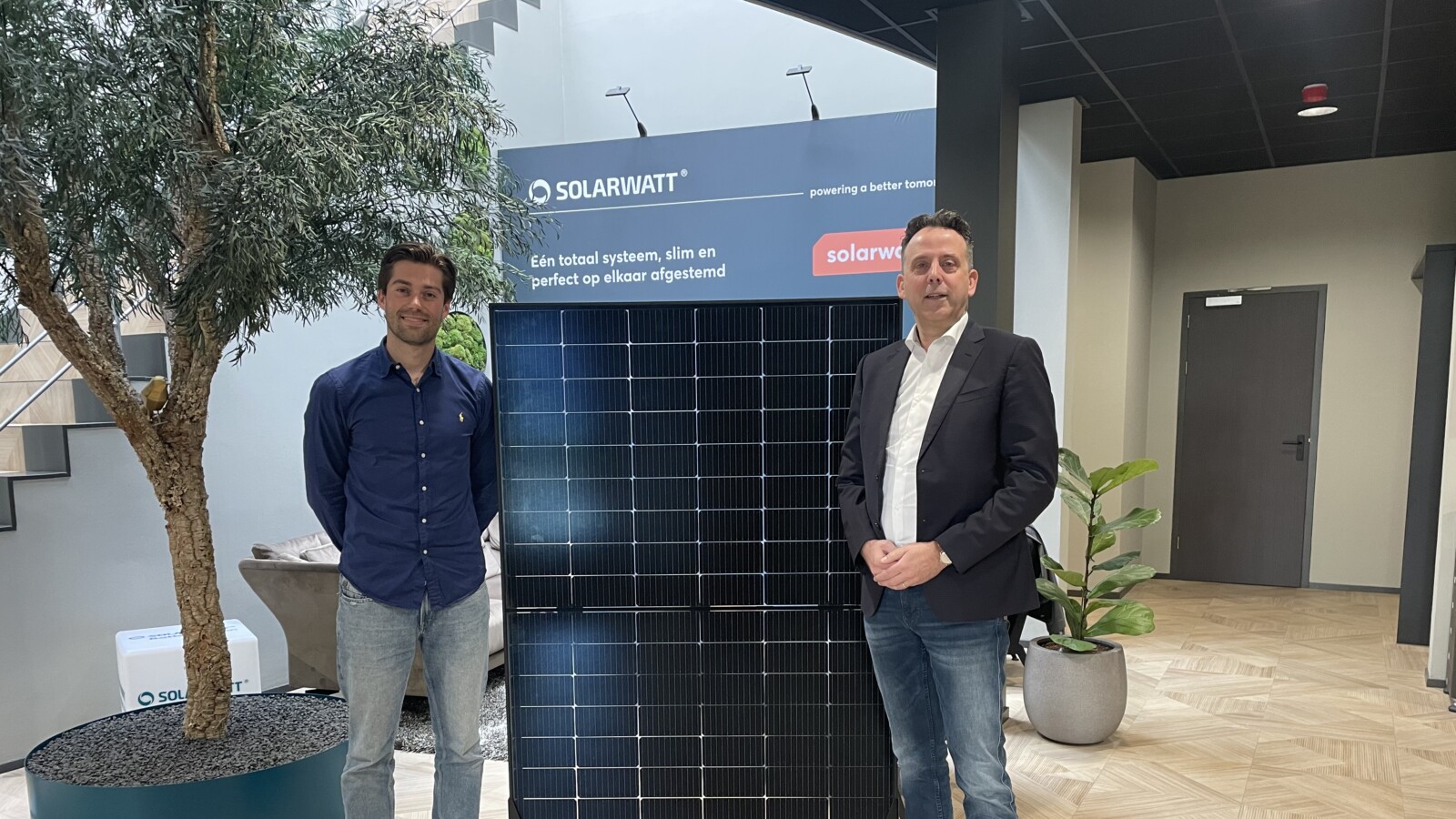
The solar energy sector is rapidly evolving. We discussed this with Michiel van Schalkwijk, director at SOLARWATT Benelux and board member of the industry association Holland Solar. As chairman of the circularity working group, he represents the solar energy sector within the board of Stichting OPEN. Jens Weerdenburg, circularity and PV manufacturing specialist at Holland Solar, is also closely involved in this collaboration. Together, they are working on a system that is prepared for the future stream of discarded solar panels.
Solid foundation, preparing for growth
According to the sector, the foundation for extended producer responsibility is now well organised. There is clear insight into the market and into how producers and importers contribute to collection, preparation for reuse and recycling.
According to Van Schalkwijk, data plays an important role in this. Stichting OPEN is increasingly acting as a reliable source of market information.
“The information Stichting OPEN receives about the market is highly accurate. You can use it as a benchmark for how the market is developing.”
The challenge lies in the future
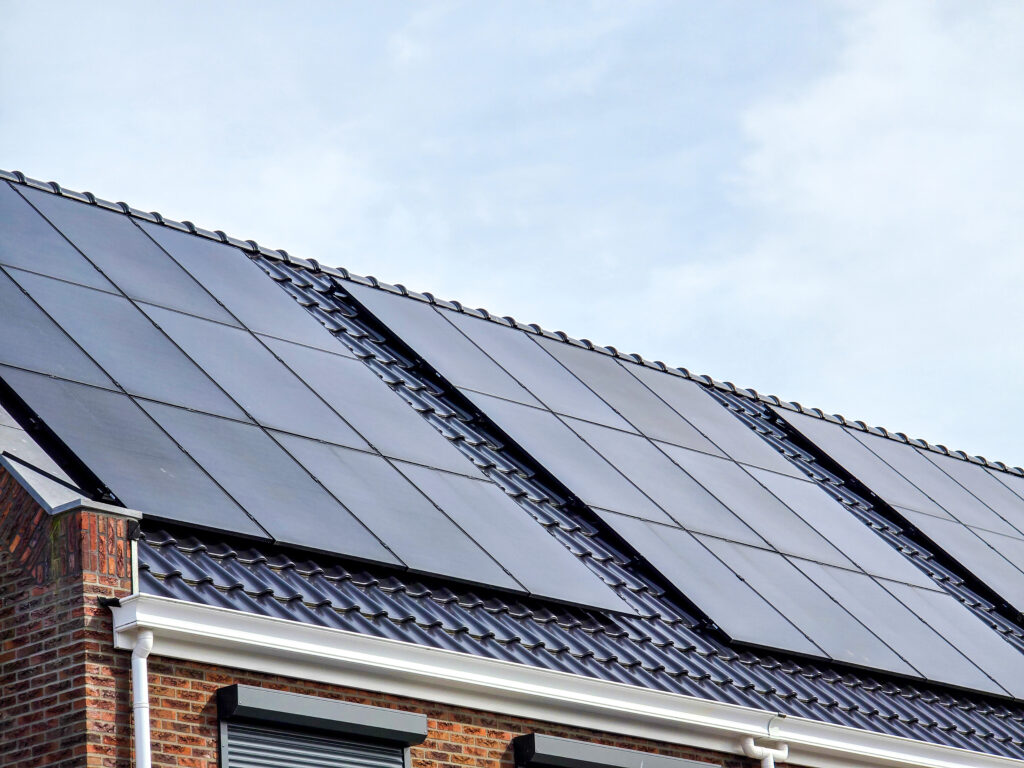
According to the sector, the real challenge is not today, but the future. Solar panels have a long lifespan, meaning the current waste stream is still relatively small. At the same time, the future scale of discarded panels requires preparation today.
“We know that the large volumes of discarded solar panels are still to come. Processing capacity and technology need to be prepared for that now,” says Van Schalkwijk.
At the same time, the sector is under pressure from changing market conditions, such as increasingly negative electricity prices and uncertainty surrounding subsidy schemes, further underlining the importance of a stable and future-oriented system.
The sector also takes market fluctuations into account and is gradually building financial reserves to absorb future collection and processing costs for discarded solar panels, even if the waste stream only starts to increase later.
Van Schalkwijk: “We want to prevent problems later by organising it properly now.”
Innovation in recycling and raw materials
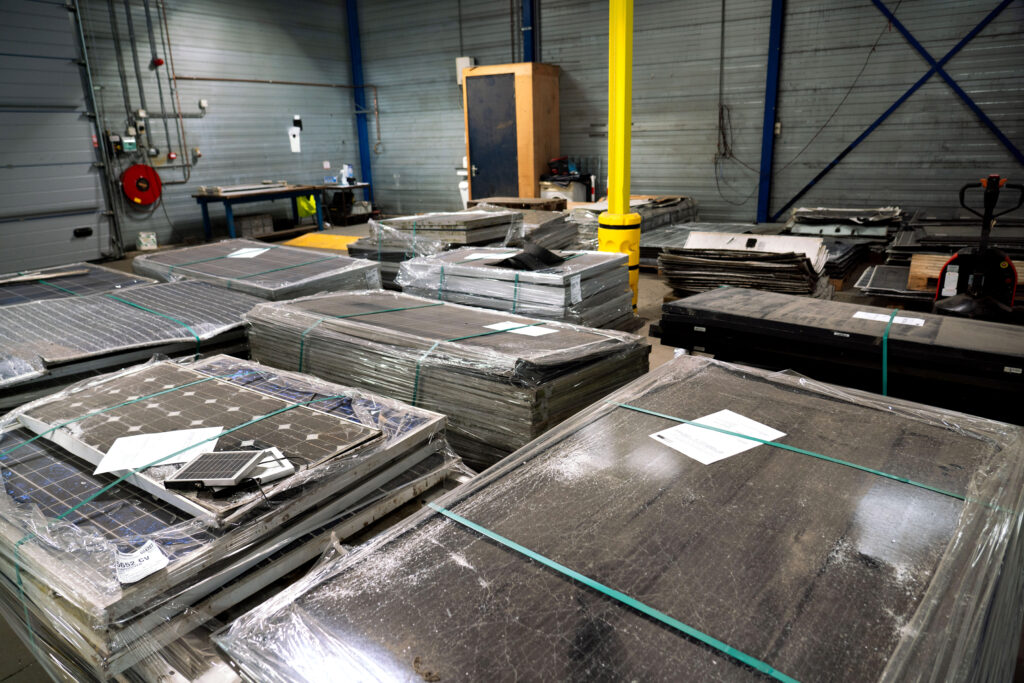
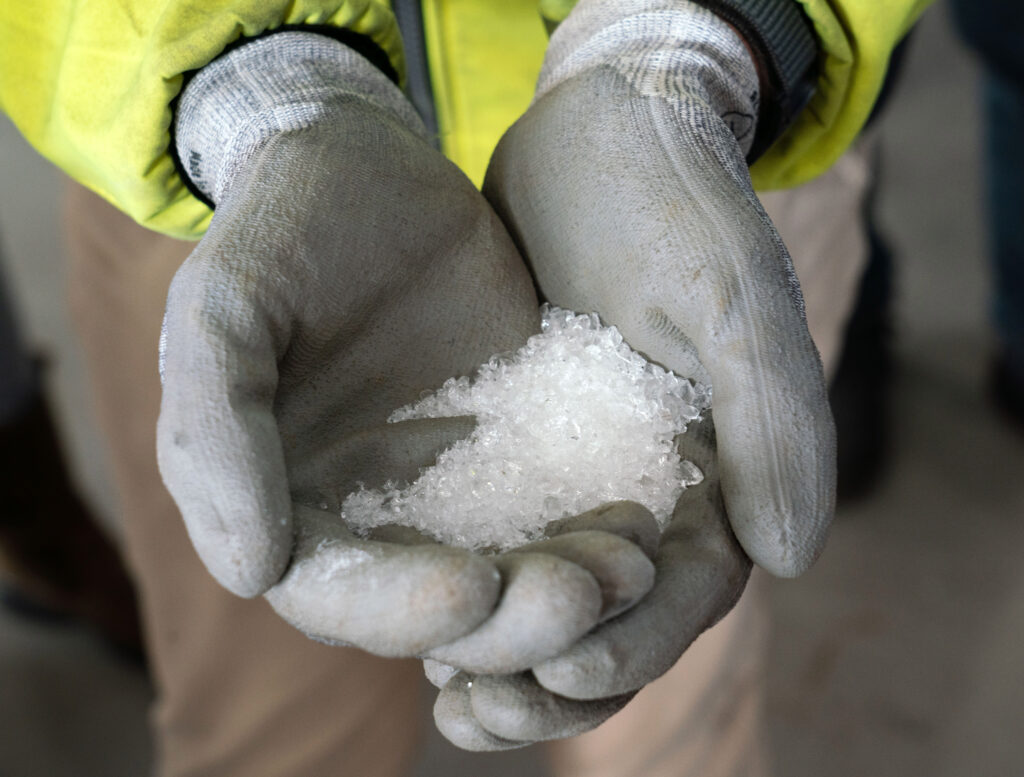
High-quality recycling of discarded solar panels is still in its early stages. Several initiatives are underway to improve processing and recover more valuable materials. In the Netherlands, the first processor capable of recycling discarded solar panels is now operational (MIREC). A second recycling initiative is under development, further expanding high-quality processing capacity.
The sector is also collaborating with organisations such as TNO to develop new technologies.
Weerdenburg: “The European context also plays a role. According to the sector, effective recycling is linked to the development of a European manufacturing industry, so recovered raw materials can be reused.”
Extending lifespan and reuse
In addition to recycling, the sector is strongly focused on extending the lifespan of solar panels. The longer products remain in use, the better this is for both sustainability and costs.
Initiatives for reuse are also emerging, giving panels a second life before they are processed.
Collaboration is essential
According to the sector, collaboration within Stichting OPEN is crucial. By working together, producers and importers can ensure an efficient system and stable costs.
“As a sector, we organise this together. That is necessary to keep processing effective and affordable in the long term,” says Van Schalkwijk.
The importance of insight, communication and public support
The solar energy sector contributes to the energy transition by generating sustainable energy. At the same time, the chain itself is becoming increasingly circular and sustainable, from production through to recycling. Stichting OPEN plays an important role in continuously improving the processing of discarded solar panels.
Weerdenburg: “Public support depends on showing that we process our discarded products responsibly and continue to improve.”
According to the sector, it is important to give producers and other stakeholders better insight into what happens to products after disposal. Visits to processors and making the recycling process more visible can help achieve this.
It is also important to emphasise that Stichting OPEN is a producer responsibility organisation, not a government implementation agency. Van Schalkwijk says:
“Together, we are responsible for the collection and processing of our products in the waste phase, while focusing on efficiency and keeping costs as low as possible.”
Looking ahead
In the coming years, the focus will be on further expanding the system, preparing for future waste streams, and stimulating innovation in recycling and raw material recovery.
Lobbying towards government will also remain important, for example regarding circularity, legislation and framework conditions for the sector.
More information: www.hollandsolar.nl