Sector consumer electronics: an efficient system through scale and collaboration
·
Reading time: 1
min
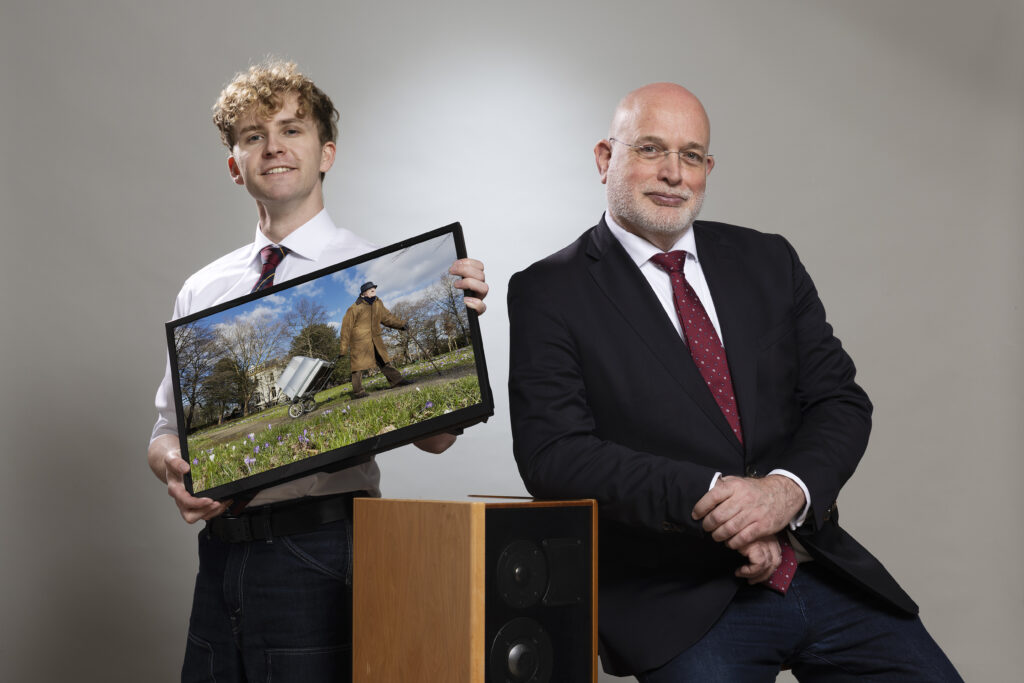
Kadeem van de Pol en Frank Rozenberg
Frank Rozenberg, chairman of the industry association FIAR and board member of Stichting OPEN, and Kadeem van de Pol, policy officer at FIAR, represent the consumer electronics sector within Stichting OPEN. In their roles, they work together with Stichting OPEN on behalf of producers and importers of audio, imaging and television products to ensure a well-functioning system for the collection and processing of discarded appliances.
Continuity and collective action as the foundation
For the consumer electronics sector, 2025 was marked by continuity. With the extension of the Generally Binding Declaration (AVV) for electrical appliances, the established system can continue.
Rozenberg: “Without the AVV and the Waste Management Contribution Agreement, it is impossible to collectively fulfil the obligations of individual producer responsibility. That remains the foundation of the OPEN system.”
At the same time, a good balance within Stichting OPEN remains necessary between legal obligations and the interests of producers and importers. That balance is becoming increasingly important in the further development of the system.
Raw materials: opportunities, but also limitations
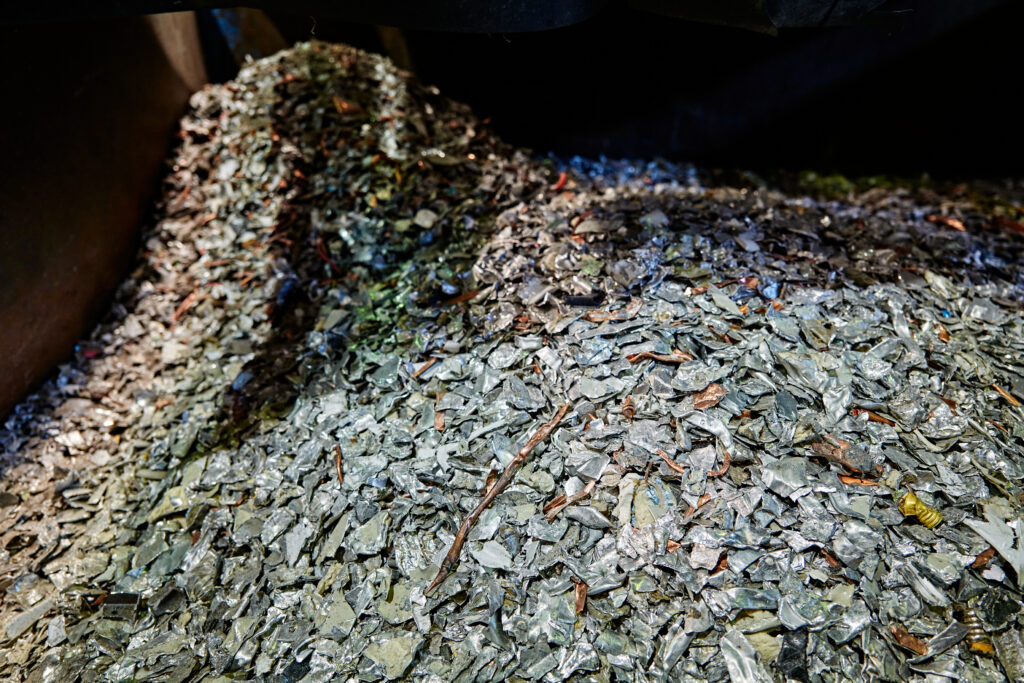
Public attention for critical raw materials is increasing, but the sector emphasises that recovering these materials from discarded appliances is not straightforward. In consumer electronics, materials are often present in very small quantities and in alloys, making recovery complex and costly.
Van de Pol: “Where it is possible and efficient, raw materials should be recovered. But in our sector they are often present in very small quantities. The question then becomes whether it is economically and technically feasible.”

Collaboration as a condition for efficiency
According to the sector, collaboration within Stichting OPEN is essential to organise collection and processing efficiently and affordably.
Rozenberg: “By working together across sectors, you create scale. That is necessary both towards government and within the chain. Fulfilling collective producer responsibility as a sector on your own is neither effective nor efficient.”
The strength of the system lies not only in economies of scale, but also in the knowledge and experience built up within Stichting OPEN. It is precisely that combination that makes it possible to operate the system efficiently and effectively.
At the same time, a level playing field for producers remains important. Tackling freeriders requires ongoing attention to ensure all parties contribute to the system.
Focus on the waste phase
The sector emphasises the importance of clear roles within the chain. Stichting OPEN focuses on the collection and processing of discarded appliances. That forms the foundation of the system.
At the same time, the position within the waste phase generates valuable data. This knowledge can be used to support manufacturers in improving product design and processes, with the aim of improving collection and processing.
Changing products and impact on the chain
The sector sees that products have changed significantly in recent years. Appliances are becoming lighter, more compact and contain fewer hazardous substances.
Rozenberg: “If you look at the development of televisions, for example, you see that the weight per appliance is decreasing. That directly affects the volume of discarded kilograms.”

Stakeholder consultation and knowledge sharing
FIAR actively focuses on engaging its members and stakeholders. This is done through knowledge sessions, conferences and a knowledge bulletin in which developments are shared.
Van de Pol: “We organise several knowledge sessions each year and actively share knowledge about legislation and regulations, circularity and consumer behaviour with our members.”
An important point of attention is reaching all companies in the market.
“FIAR represents a large part of the market, but not all companies. It is precisely that last group we want to reach better, so we can involve them as well,” says Van de Pol.
This remains a joint challenge for FIAR and Stichting OPEN to further strengthen communication and engagement.
Looking ahead
In the coming years, the focus will be on further strengthening the collective system, improving efficiency and tackling freeriders. In addition, it remains important to make realistic choices regarding raw material recovery and to maintain clear roles within the chain. Collaboration, scale and a clear focus will remain decisive factors for an effective and future-proof system.
More information: www.fiar.nl