·
Reading time: 1
min
Digital sector sees growing role for reuse and raw material preservation
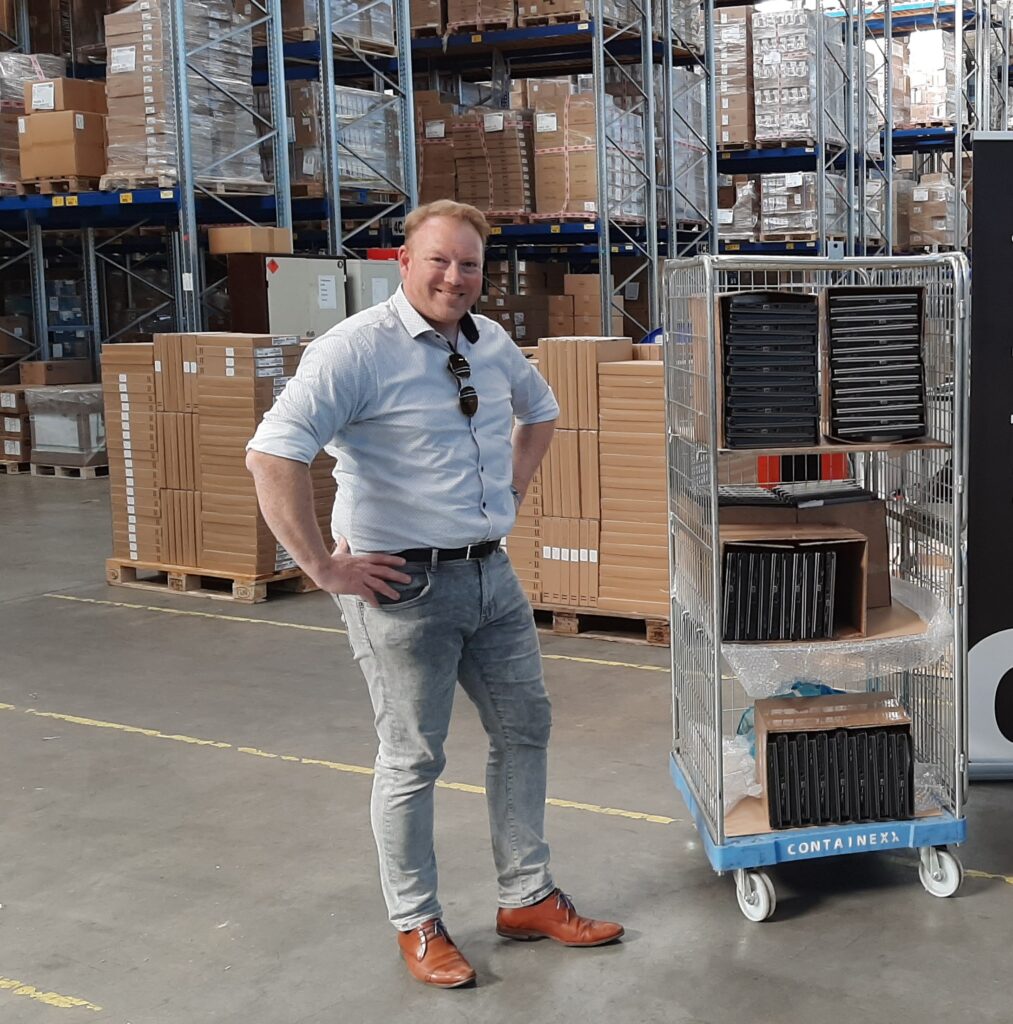
Jeroen van der Tang
Jeroen van der Tang is responsible for sustainability and circularity at NLdigital. As Public Policy Manager Sustainability at NLdigital, he represents the ICT sector on the board of Stichting OPEN. NLdigital represents more than 600 companies in the digital sector, including ICT hardware producers participating in the collective system for the collection and recycling of discarded electrical and electronic equipment.
According to Van der Tang, one objective is central: ensuring that discarded devices are properly collected and prepared for high-quality reuse and recycling.
“It starts with realistic targets and a system that works. But after that, you need to keep improving continuously: better collection and registration, more reuse, and ultimately recovering more raw materials.”
From collection to reuse
The digital sector sees growing attention for reusing discarded devices and components. Whereas preparation for reuse used to be mainly pilot-based, it is increasingly becoming standard practice for high-quality ICT equipment.
“You can see that we are doing more and more with what we collect. Reusing discarded devices or components where possible, and recovering raw materials where reuse is no longer possible. That is really becoming structural.”
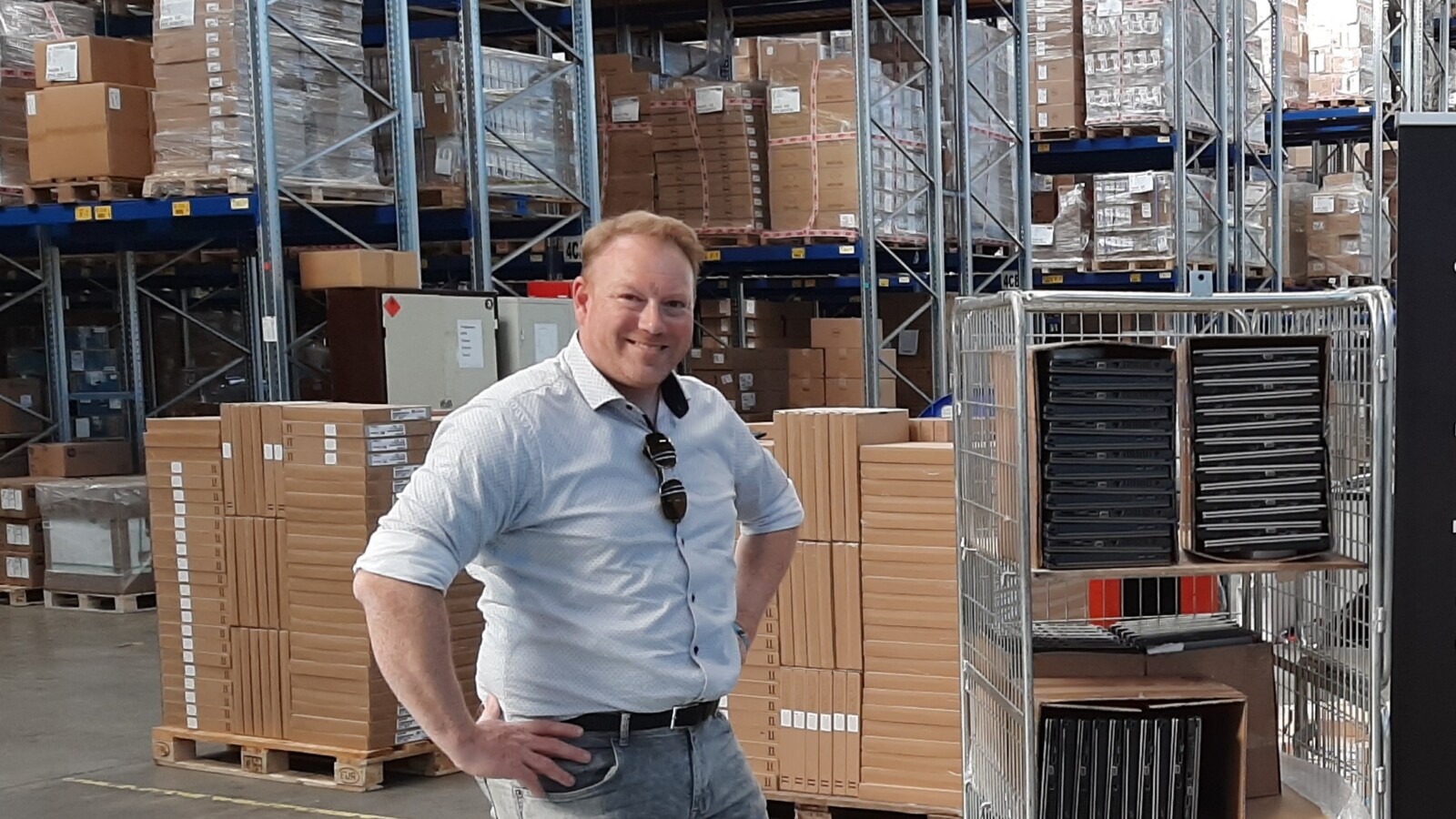
Examples include initiatives focused on reusing laptops and monitor components, where reuse opportunities are increasingly being identified.
One collective system for producers
Van der Tang emphasises the importance of a collective approach through Stichting OPEN. According to him, the extension of the Generally Binding Declaration (AVV) for electrical appliances demonstrates broad support for one joint compliance organisation.
“It is good that there is one organisation coordinating and organising this efficiently. At the same time, it is important that producers remain actively involved in policy and implementation through their sector associations.”
This is increasingly important given developments in Brussels and The Hague, including new regulations on circularity, extended producer responsibility and electrical equipment.
“On many of these topics, producers need to speak with one voice. That only works if you are well organised.”
Critical raw materials: a major role for the ICT sector
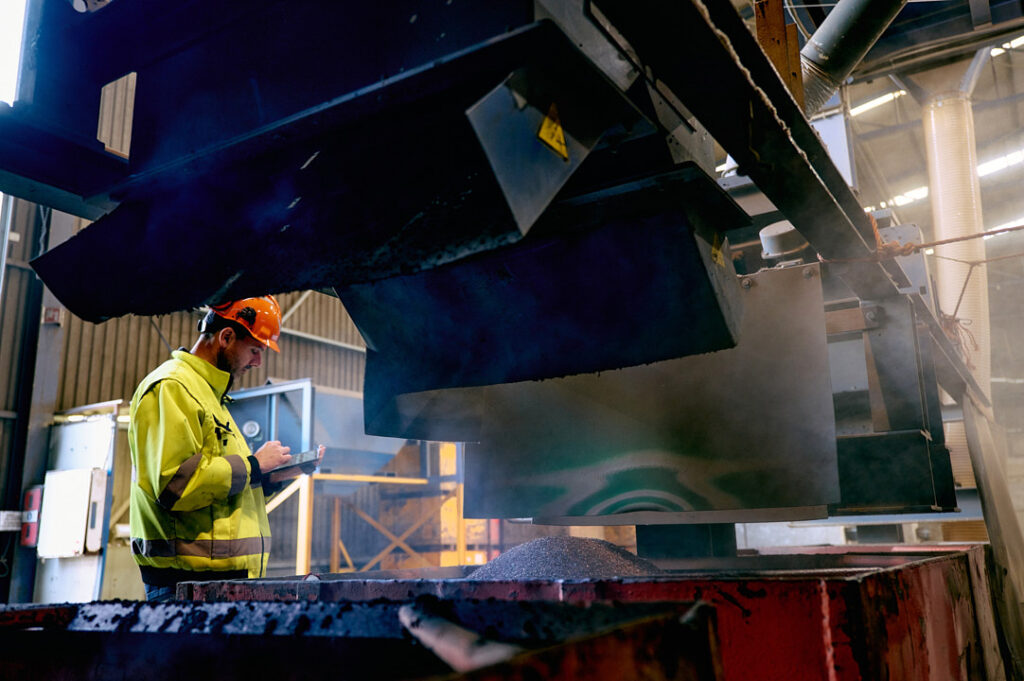
The digital sector also plays an important role in the debate around critical raw materials (CRMs). Many of these materials are used in electronic devices.
“Our product group contains relatively high amounts of critical raw materials. At the same time, production often takes place outside Europe. That makes the issue complex: recovering materials in and for Europe is important, but international producers must also increase the share of recycled content in their products.”
According to Van der Tang, the first priority is therefore increasing the amount of raw materials that are actually recovered.
“The most important thing is that we recover more than we do today. That requires investment in technology, research and cooperation in Europe.”

A new perspective on the end-of-life phase
According to Van der Tang, the way companies view the end-of-life phase of products is also changing. More attention is now being given to extending product lifetimes and reusing products before they are discarded. At the same time, he stresses that this may reduce reuse potential after final disposal, meaning caution is needed when formulating reuse targets within EPR systems.
An example is the collection of used laptops during the COVID-19 pandemic. These devices were refurbished and redistributed through social organisations to people without access to digital tools.
“So far, around 20,000 laptops have been redeployed through that programme. That shows that reuse also creates social value, in addition to circular value.”
Producers themselves are also increasingly developing take-back and trade-in programmes to reuse and remarket devices and components.

Priorities for the coming years
Looking ahead, Van der Tang identifies three key priorities: realistic policy frameworks, further improvement of collection systems, and greater focus on reuse and raw material recovery.
“The most important thing is to have realistic targets while continuing to demonstrate progress year after year.”
Learning from practice together
According to Van der Tang, it helps when producers can see what happens to discarded products in practice. Visits to sorting centres, recyclers and treatment facilities make the chain more tangible.
“When producers see what happens to their products during processing, it gives them much greater insight into the chain. That also helps in discussions about policy and circularity.”
More information on www.nldigital.nl