Dutch young people are strikingly unlikely to recognise fast tech products as electronics. The Netherlands ranks lowest in this respect among the twelve European countries surveyed. This is according to new European consumer research into the use and disposal of fast tech, commissioned by the WEEE Forum and Stichting OPEN for International E-Waste Day 2026, which this year focuses on fast tech. Another notable finding is that many consumers are aware of the shorter lifespan and lower quality of fast tech, yet often go on to buy these products again.
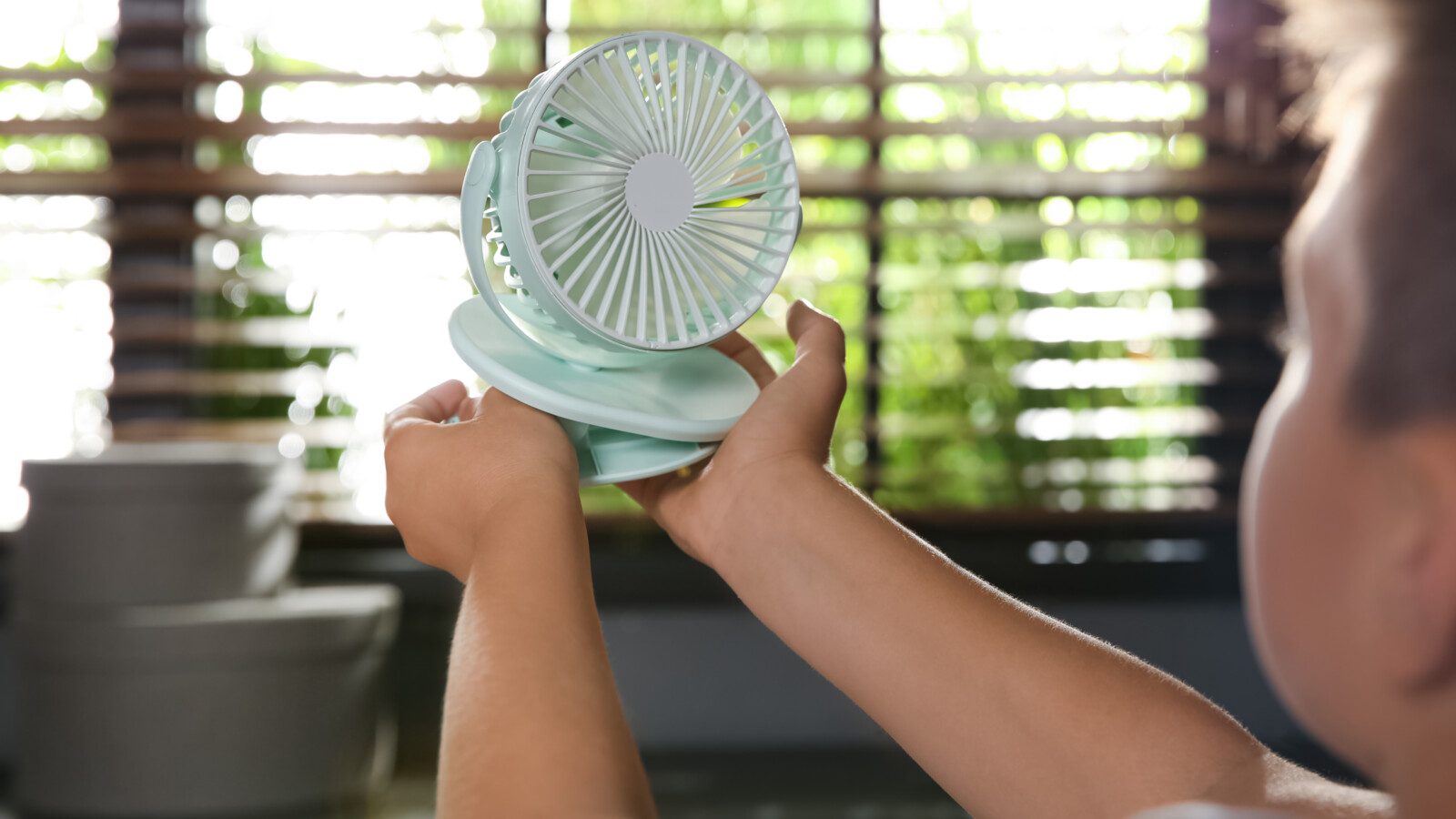
Fast tech is the collective term for small, inexpensive electrical devices that consumers often buy on impulse and discard relatively quickly. Examples include charging cables, small LED products, earbuds and gadgets such as portable mini fans. These products are present on a large scale in our everyday lives. Yet a remarkably large proportion of young people in the Netherlands do not recognise them as electronics. The survey of more than 10,000 European consumers found that only 60% of Dutch 18- to 29-year-olds are aware that these products contain electronic components. This puts the Netherlands at the bottom of the twelve countries surveyed. In Belgium, for example, 75% of young people recognise fast tech as electronics, compared with 84% in France and as many as 90% in Ireland and Portugal. The European average is 83%.
Fast tech mainly attractive because of its low price
Many people regularly purchase fast tech products. Of the Dutch survey participants, 70% had bought at least one such product in the past year, rising to 86% among young people in the Netherlands. Charging and lighting products, such as charging cables, USB adapters/chargers and inexpensive LED lighting, are particularly popular. In the past year, 61% of Dutch consumers purchased at least one product in this category. This means these products are purchased more frequently than fast tech in the high-tech category, such as inexpensive smartwatches and wireless earbuds (46%), or gadgets & lifestyle products, such as portable fans and small electrical gadgets (44%). Low prices play an important role in their popularity: 56% of Dutch fast tech buyers cite price as a reason for their purchase. This is comparable to the European average.
Fast tech remains popular despite shorter lifespan and lower quality
For 38% of Dutch fast tech buyers, the product they used for the shortest period was no longer in use within a month. For some, this happened even sooner: 15% used such a product for less than a week, while 8% used it only once. Many consumers are aware of this: for most fast tech buyers, both the lifespan (63%) and quality (65%) met their expectations. This is comparable to most of the other countries surveyed. The shorter lifespan and lower quality of fast tech products therefore do not appear to affect their popularity. Nor does this generally lead consumers to choose a different type of product. When Dutch consumers replace fast tech products, 57% choose fast tech again. Almost a quarter (23%) even opt for exactly the same model. This can lead to a short consumption cycle in which fast tech products are repeatedly purchased, discarded and replaced with new ones.
Much fast tech ends up in residual waste
After use, the growing stream of fast tech is often disposed of incorrectly. Among Dutch fast tech buyers, 25% had at some point disposed of these products with residual waste, 8% in a plastics recycling bin and another 8% in a public litter bin. However, many consumers also dispose of these products correctly: 35% of Dutch consumers had at some point taken fast tech to a municipal recycling centre, higher than the European average of 27%, while 19% had taken it to a collection point for small electrical appliances in a store. Disposal behaviour is largely determined by habit (43%) and convenience (30%).
Stichting OPEN: ‘Greater public awareness is needed’
Jan Vlak, Managing Director of Stichting OPEN, says: “A cheap charging cable, adapter or set of earbuds may seem small and insignificant on its own. But small becomes big when millions of consumers do the same thing, because together all these products create an enormous amount of electrical waste. It is concerning that so many people, especially young people, do not realise that these are electronic products. As a result, many of them end up in residual waste. Valuable raw materials are then lost. And because these small devices often contain batteries, they also pose a risk of fires in the waste stream. This shows that greater public awareness of this issue is still needed. We will therefore continue our educational activities in schools and targeted campaigns aimed at young people.”
About the research
For International E-Waste Day 2026, the WEEE Forum, the international umbrella organisation for organisations involved in the collection and treatment of electronic waste, commissioned a European consumer survey on fast tech. Among other things, the research examines which small, inexpensive electronic products consumers buy, how long they use them and what happens to these products once they are no longer in use. The research was commissioned by the WEEE Forum and its members, including Stichting OPEN. A total of 10,245 consumers across twelve European countries were surveyed, including 504 respondents in the Netherlands. The research reports (in English) can be downloaded below.