Regulation Waste of Electrical and Electronic Equipment
The Regulation on Waste Electrical and Electronic Equipment (WEEE) aims to contribute to the sustainable production and consumption of Electrical and Electronic Equipment (EEE). Primarily, this is achieved by preventing the generation of EEE waste. Additionally, it enhances reuse, recycling, and other forms of beneficial use of e-waste to reduce the amount of disposed waste. This contributes to more efficient resource utilization and the recovery of valuable secondary raw materials.
Ultimately, this regulation holds producers or importers of electrical and electronic equipment (partially) responsible for managing that product in the waste phase. This includes responsibilities for collection and processing when the product becomes waste. Producers and importers must also arrange the financing for these processes. Retailers, processors, and municipalities also have specific obligations under the regulation. The WEEE Regulation is the Dutch implementation of the WEEE Directive.
Andere relevante publicaties
-
ResearchRecycling

Producer incentives can further reduce residual waste
New research by Sufficiency and Utrecht University shows that producers can play a larger role in reducing residual waste. Although waste separation a... -
ReportBatteriesPolicy and objectivesProducer responsibility
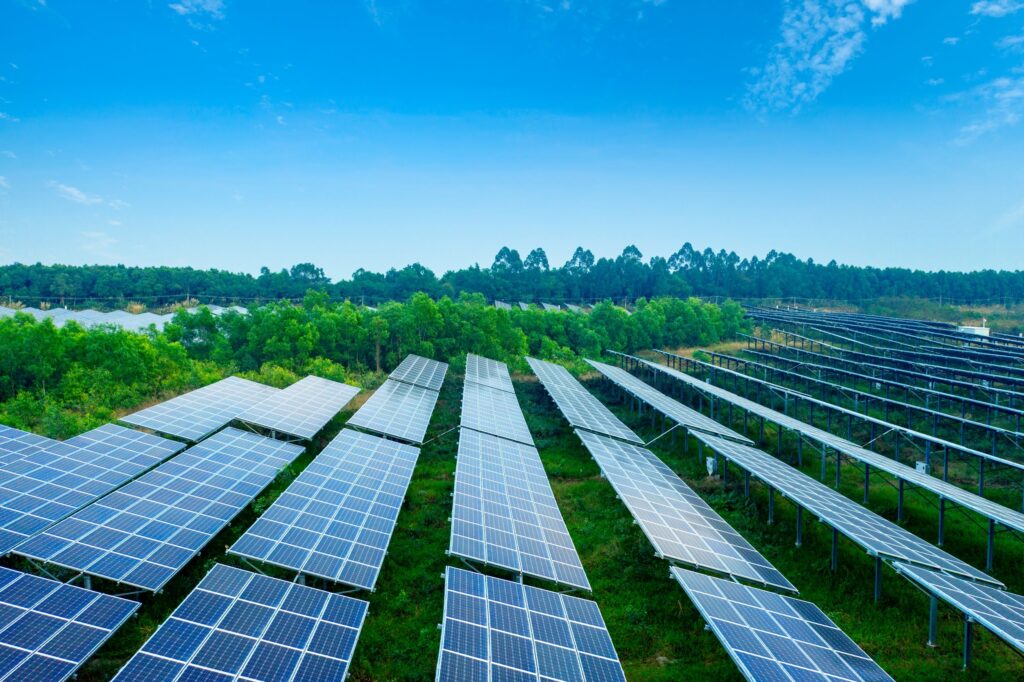
The role of extended producer pesponsibility (EPR) in the energy transition
Analysis of the implementation of EPR for batteries in electric vehicles, solar panels, and wind turbines