Power tools sector focuses on collaboration and increasing awareness
·
Reading time: 1
min
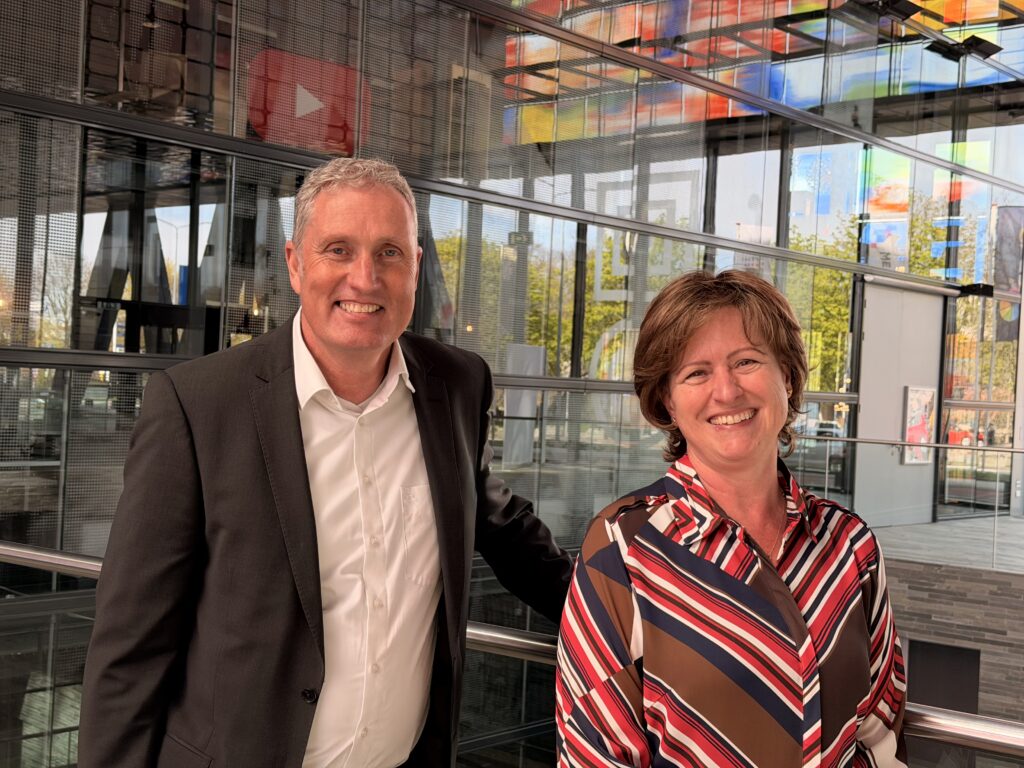
Rob de Koning en Vera Ortmanns
Rob de Koning, Managing Director at Flex Power Tools, chairman of the Foundation for Responsible Recycling of Electrical Tools (SVEG) and board member of Stichting OPEN, and Vera Ortmanns, director of SVEG, represent the electric (garden) tools sector within Stichting OPEN. From their roles, they work together with producers and importers on a well-functioning system for the collection and processing of discarded electrical tools.
Collaboration as the foundation
For the sector, 2025 was marked by collaboration. The granting of the new Generally Binding Declaration (AVV) for electrical appliances ensured that all sectors will work closely together in the coming years and move forward with a shared vision for the future.
De Koning: “If you do not have that shared vision, you can be certain that such a system will not work.”
According to the sector, collaboration is essential because producers and importers ultimately face the same challenges. Ortmanns:
“We all face the same task. Together, you achieve more than alone.”
From collection to raw materials
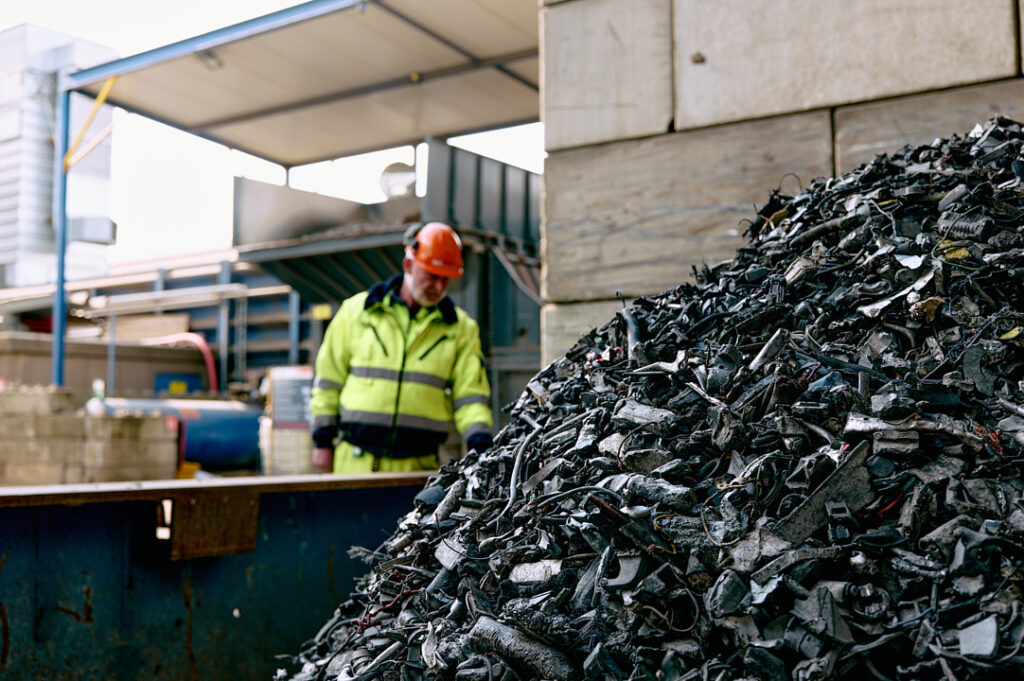
Where returning discarded appliances, lamps and batteries was previously seen mainly as behaviour of a small, environmentally conscious group of consumers, it is now becoming increasingly normal. At the same time, awareness is growing that it is not just about collecting discarded appliances, but about recovering valuable raw materials for new products.
“It is no longer something for a small group. We simply need those materials for new products. Proper disposal has become part of our daily lives,” says De Koning.
The perception of recycling is also changing. Where people previously assumed that discarded appliances were mainly destroyed, the focus is increasingly shifting towards retaining value.
Ortmanns: “The idea that returned appliances are destroyed is outdated. We focus on the reuse of appliances and components, and if that is no longer possible, on recovering raw materials for new applications.”
Changing products, new challenges
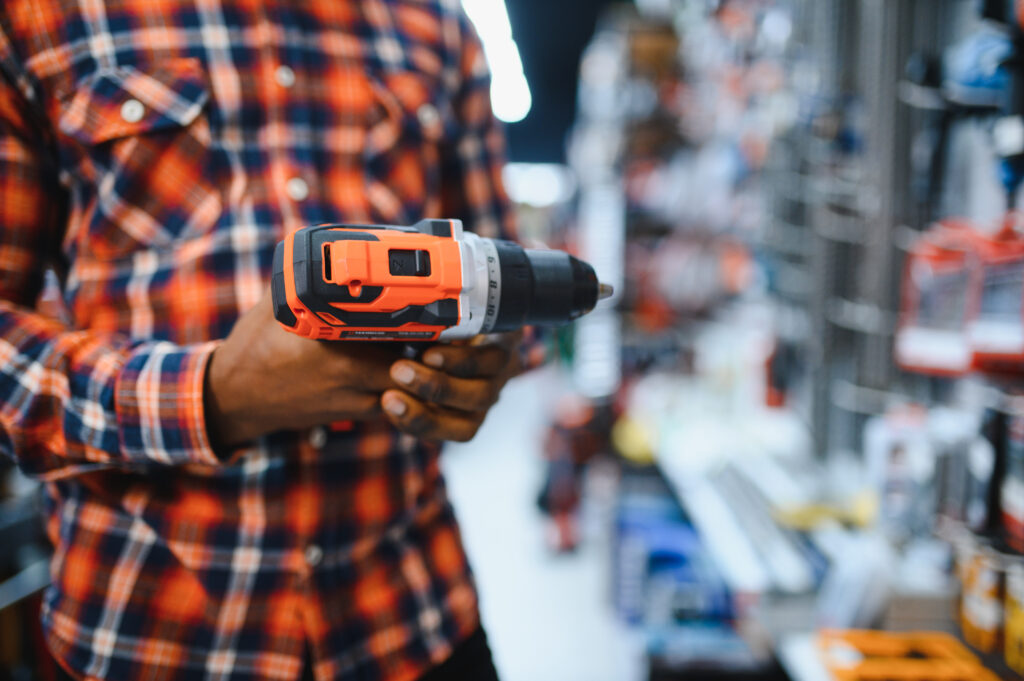
The sector sees products evolving. Electrical tools are becoming more compact and increasingly battery-powered. This creates new opportunities, but also affects processing and recycling. Producers are becoming more aware of this and are increasingly taking the end-of-life phase into account during product design and manufacturing.
“In the past, you made a product without really thinking about the end of its lifespan. Now you see producers becoming much more conscious of that,” says De Koning.
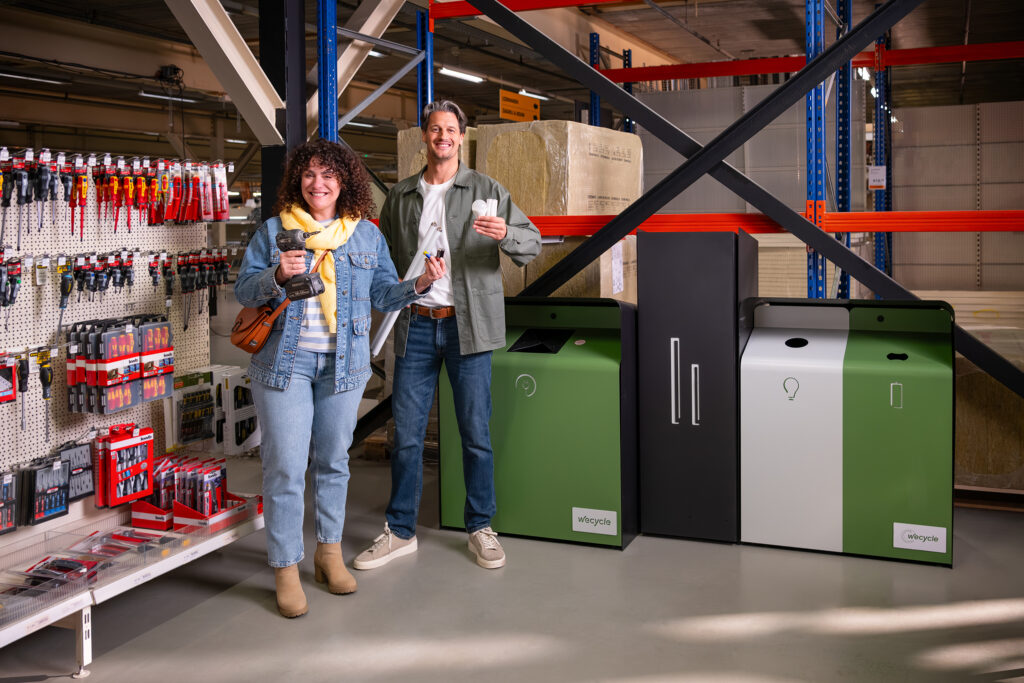
Further increasing awareness for maximum collection
Although returning discarded appliances is becoming increasingly normal and the collection network has expanded significantly in recent years, it remains important to further increase awareness and make it as easy as possible for users of electrical tools.
This requires clear communication, good visibility of collection points and better use of existing schemes, such as returning old products when purchasing new ones.
De Koning: “There are still clear opportunities here to further increase awareness and improve the use of existing return options, such as the old-for-new take-back scheme.”
Realistic targets and European alignment
De Koning emphasises the importance of achievable targets and clear regulations. Europe plays an important role in this. “We operate in international markets. It does not help if every country applies its own rules.”
According to the sector, greater alignment at European level can provide clarity, improve implementation and ensure a level playing field.
More information: www.sveg.nl