
·
Reading time: 1
min
White goods sector: focus on transparency, efficiency and a level playing field
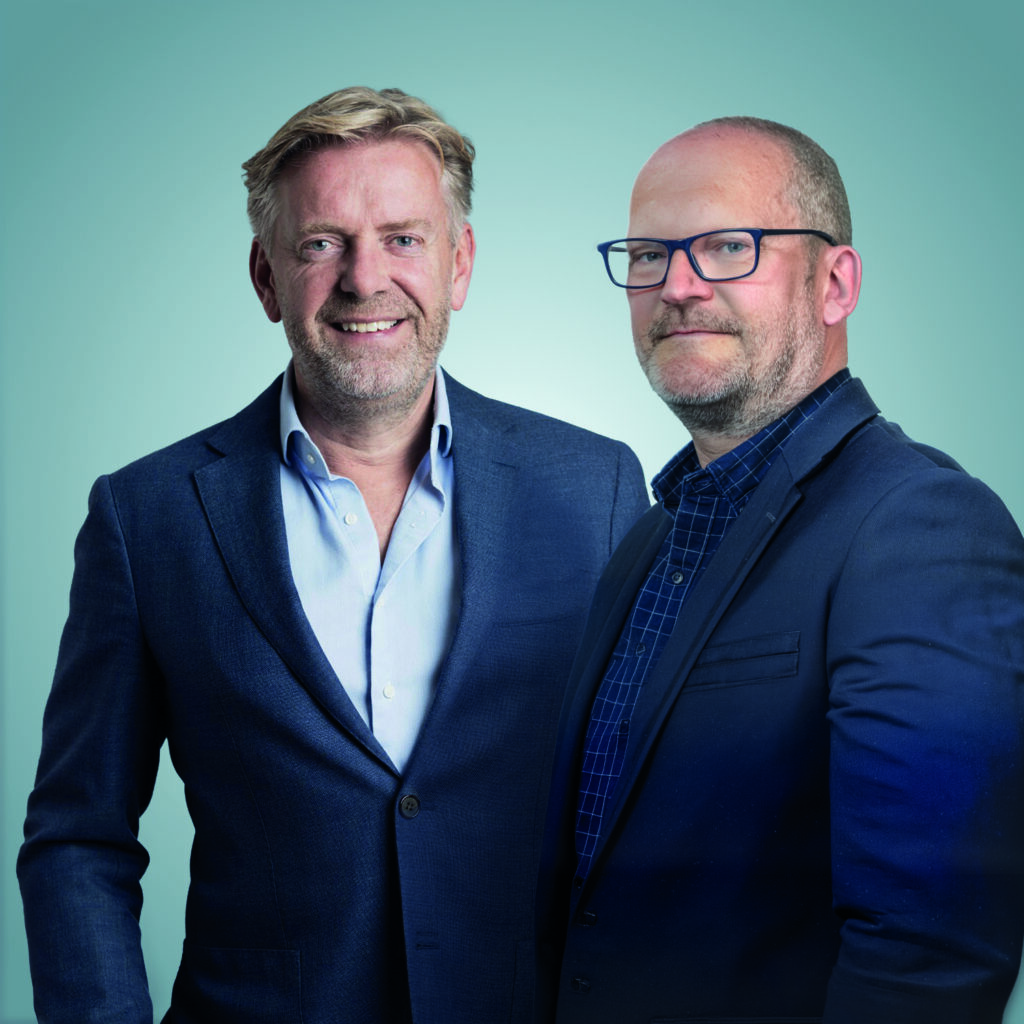
Roland Knoester en Bruno Vermoesen
Bruno Vermoesen, Head of Brussels Office Environmental Governmental Affairs at BSH Home Appliances and chairman of ANStEC, and Roland Knoester, director of the trade association APPLiA Netherlands and ANStEC, together represent the white goods sector within Stichting OPEN. Bruno Vermoesen does so as a board member of Stichting OPEN. From their roles, they work together with producers and importers on an effective and cost-efficient system for the collection and processing of discarded appliances.
Transparency and a level playing field
For the sector, 2025 was marked by transparency and continuity. With the extension of the AVV for electrical appliances, the system can continue in the coming years. At the same time, the structure of the Waste Management Contribution Agreement (ABBO) was clarified further for producers and importers.
Knoester: “A great deal of effort has gone into increasing transparency around how Stichting OPEN’s waste management contribution is established. Producers and importers are actively involved in the budgeting and decision-making process. That is essential, especially as costs continue to rise.”
In addition, tackling freeriders remains an important theme. The system can only function properly if all producers and importers contribute equally. “If not everyone participates, the pressure falls on the parties that do comply. That undermines the system,” says Knoester.
Focus on value: broader than CRMs
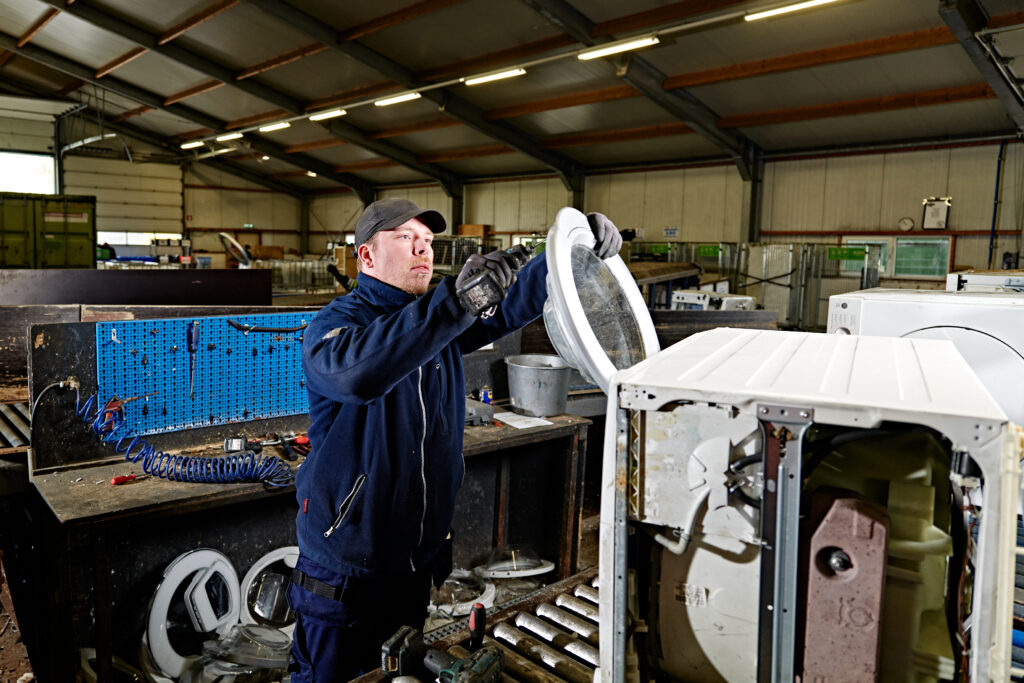
The discussion is increasingly shifting towards critical raw materials (CRMs), but the sector emphasises the importance of maintaining a broad focus on multiple material streams.
Vermoesen: “CRMs are important, but we should not lose sight of plastics. There is still a major challenge there in improving quality and reuse.”
According to the sector, the goal should be broader: maximising the recovery of all valuable materials at the highest possible quality level.
An effective and cost-efficient system
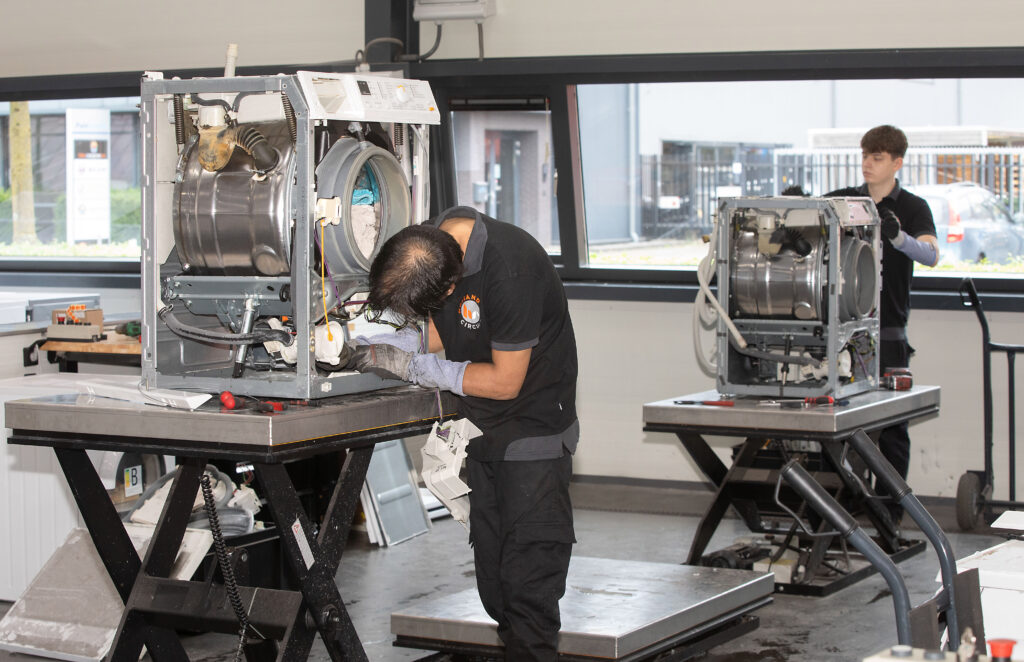
According to the sector, the strength of the collective system lies in scale and efficiency. By working together, collection, transport and processing can be organised more efficiently and costs can remain manageable, also in the longer term.
Vermoesen: “It is not efficient to organise all of this individually. By working together, you benefit from economies of scale and keep the system affordable.”
At the same time, this requires continuous attention to effectiveness and cost control. Producers must be able to trust that the system is organised as efficiently as possible.
It is important that all parties in the market comply with the same rules. Enforcement is essential to ensure a level playing field.
Looking ahead
For 2026, the focus is on further strengthening the freerider approach, safeguarding an effective and cost-efficient system, and making realistic choices in raw material recovery.
In addition, continued cooperation between the sector and Stichting OPEN remains crucial to keep the system future-proof.
More information: www.applianederland.nl/anstec/